GPTHuman Review: A Good AI Humanizer in 2026?
The promise: AI output that reads like it came from a human. The question: can GPTHuman.ai live up to it? We analyze its approach, workflow, and usability.

John Angelo Yap
Updated January 31, 2026
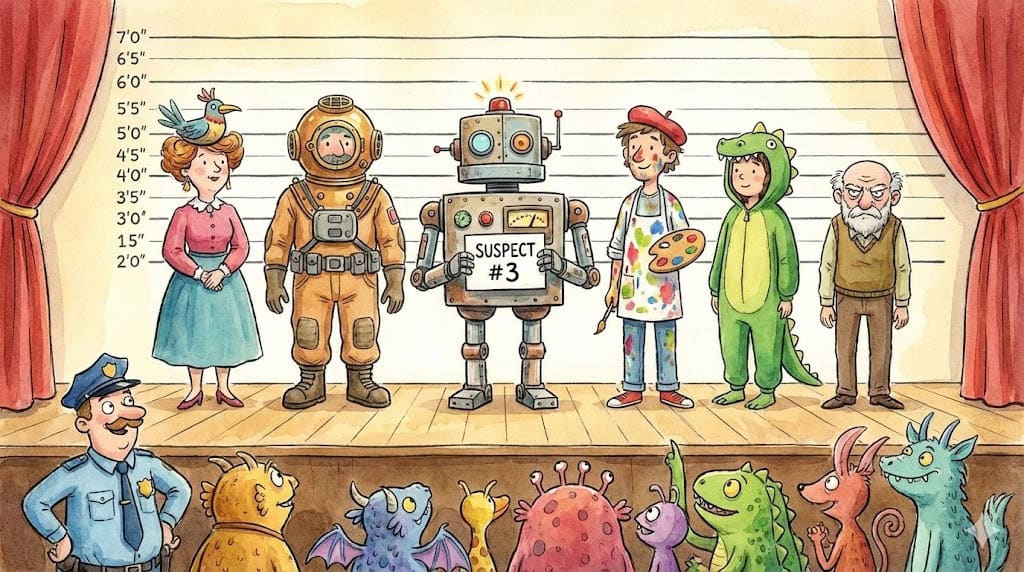
The AI among humans, generated with Gemini
Reading Time: 4 minutes
AI humanizers are no longer niche tools. As AI-generated content becomes easier to spot — and more heavily scrutinized — the demand has shifted from generation to refinement. That’s where tools like GPTHuman.ai position themselves.
Rather than producing content from scratch, GPTHuman.ai focuses on transforming existing AI-written text into something that reads more naturally and, perhaps more crucially in a time where false positives are common, is less likely to trigger AI detection systems.
The promise is ambitious. The execution is more nuanced.
What GPTHuman.ai Is (and What It Isn’t)
At its core, GPTHuman.ai is an AI humanizer platform. It takes AI-generated content and restructures it to resemble human writing patterns more closely.
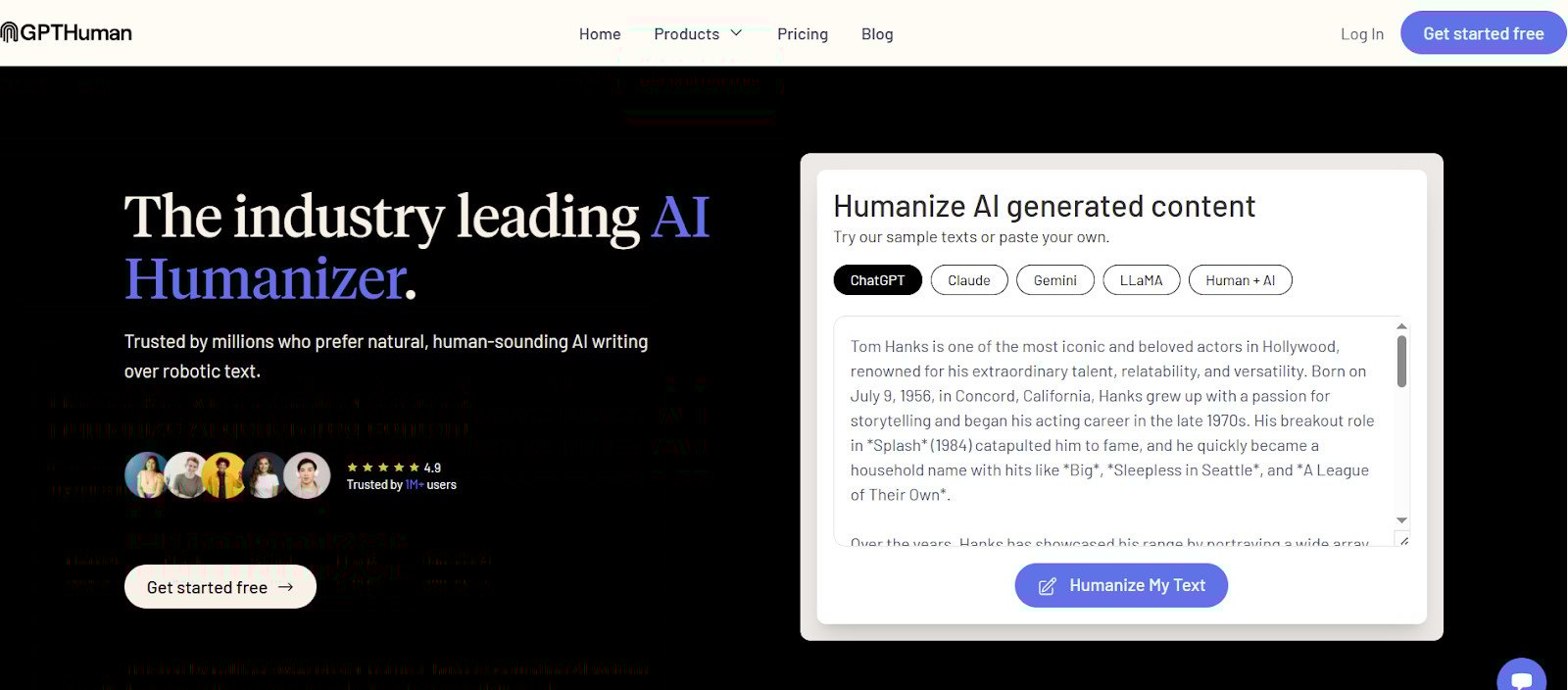
This isn’t a simple synonym swapper or sentence spinner. The platform combines three related functions — humanization, paraphrasing, and AI detection — into a single workflow. The goal is to reduce the statistical signals that detectors typically associate with machine-generated text.
It’s also not positioned as a creative writing tool. GPTHuman.ai is clearly built for volume-driven use cases: blogs, SEO content, academic summaries, and marketing copy that already exists but needs refinement.
What the Tool Claims to Do
GPTHuman.ai makes a few notable claims.
It says it can bypass even premium AI detectors. It supports over 80 languages. It offers multiple writing modes depending on tone and use case. And it claims its algorithmic checks prevent plagiarism while preserving meaning.
Taken together, that’s an ambitious promise set.
The more important question is how those promises translate into actual output — not marketing language.
Humanizer Modes
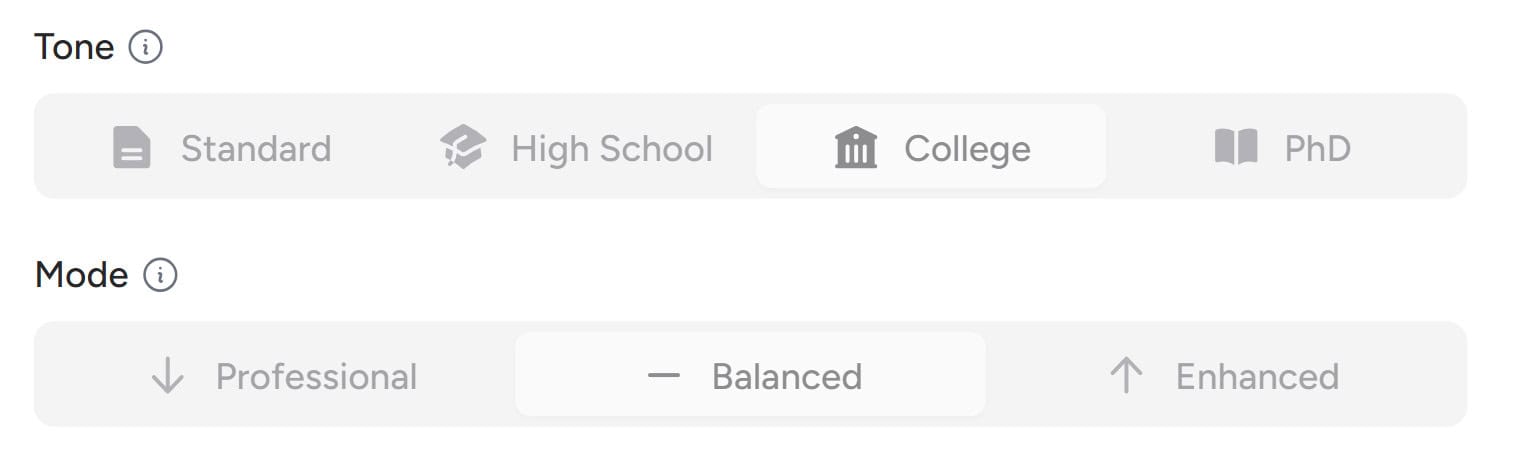
Much like other AI humanizers, GPTHuman offers several modes, including casual, formal, and creative.
These modes don’t radically rewrite your content. Instead, they adjust sentence length, rhythm, and word choice. The changes are noticeable, but not aggressive.
That’s a good thing.
One of the biggest problems with many AI bypass tools is that they rely on intentional errors or awkward phrasing to fool detectors. GPTHuman.ai mostly avoids that approach. The output stays readable, even when the structure becomes less uniform.
It doesn’t feel poetic. It doesn’t feel especially intimate. But it does feel usable.
Built-In AI Detection
GPTHuman.ai includes an internal AI detector that scores your text after humanization and highlights problem areas.
This is useful as a feedback mechanism. It shows which sections the tool itself thinks are still risky.
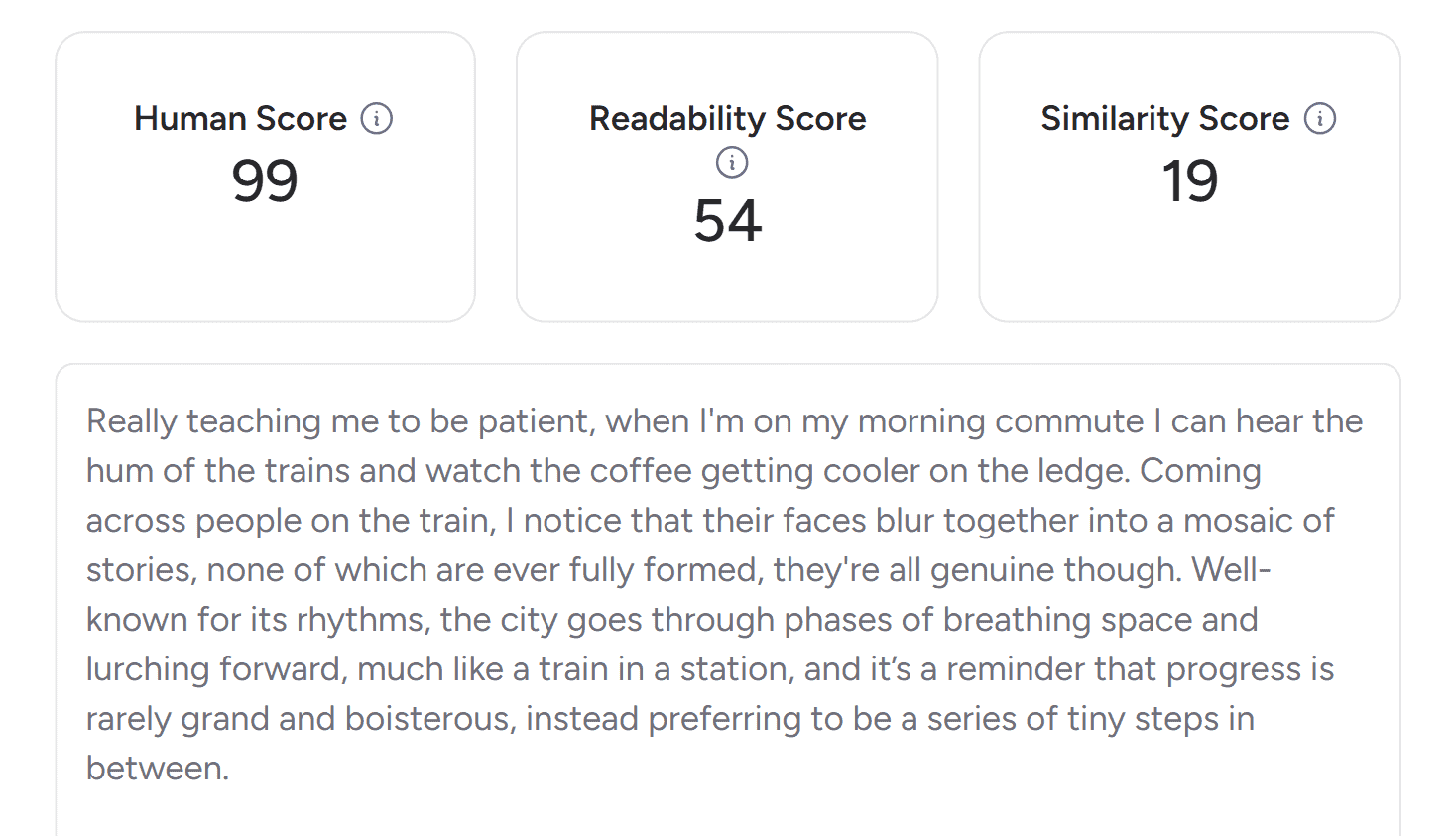
That said, internal detectors should never be treated as authoritative. They reflect how this system interprets AI signals — not how third-party detectors will respond.
In other words, the score is informative, not conclusive.
Language Support
Support for over 80 languages is one of GPTHuman.ai’s more ambitious features.
If the humanization logic holds consistently across languages, that makes the tool far more useful than most competitors, which tend to work best in English only.
The interface itself is straightforward. Paste text, choose a mode, review the output, and export. Revision history and bulk processing make it workable for teams handling large volumes of content.
There’s little friction here — which is exactly what this kind of tool needs.
GPTHuman Pricing
GPTHuman.ai offers a small free test, followed by paid plans starting around the lower end ($15) for freelancers.
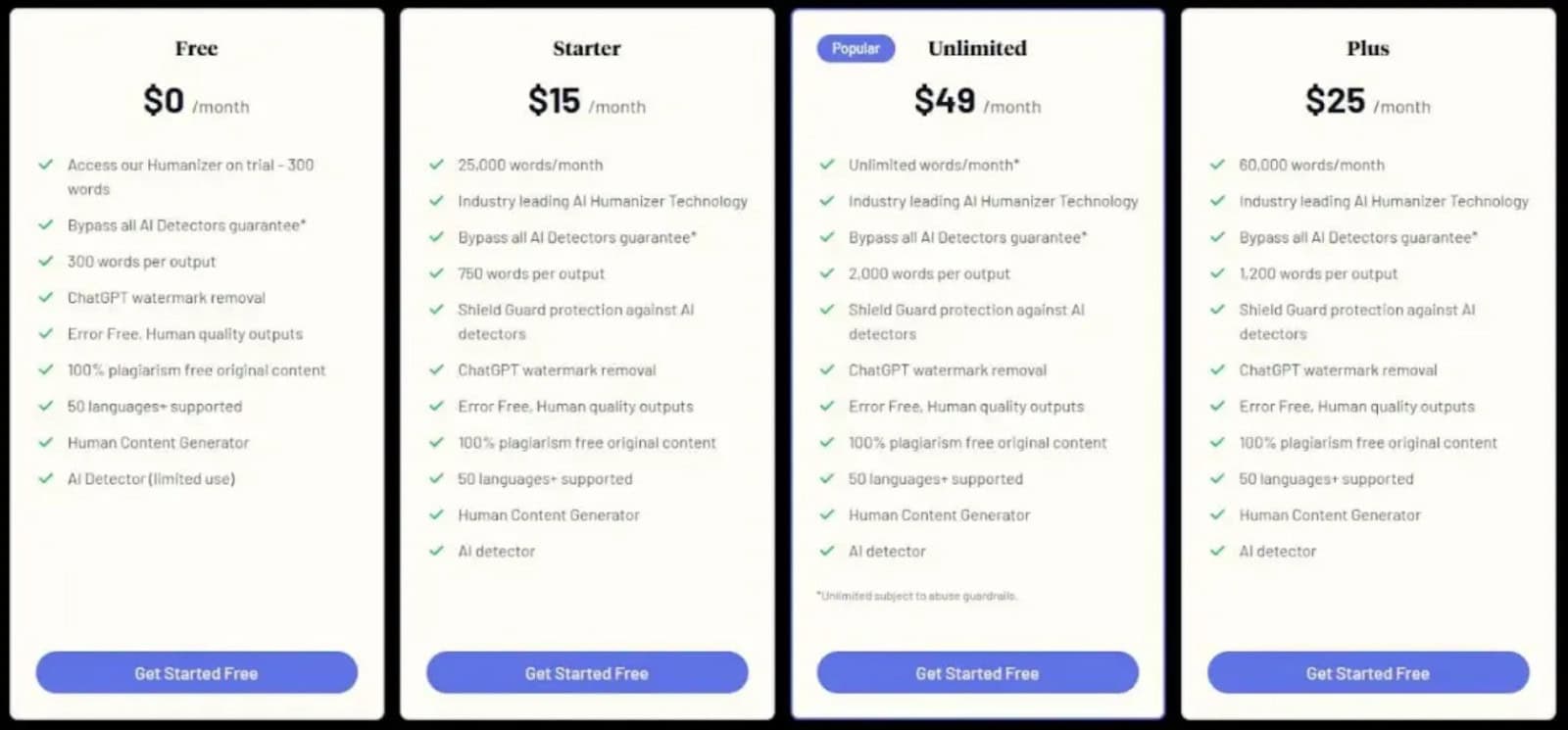
For moderate usage, pricing feels reasonable. For high-volume workflows, costs scale quickly — especially compared to simpler paraphrasers that don’t attempt full humanization.
Whether that premium makes sense depends entirely on how well the output performs against external detectors.
GPTHuman Pros & Cons
PROS | CONS |
|
|
All Said and Done
GPTHuman.ai sits in a crowded space, but it approaches the problem with restraint.
The humanization is subtle, the workflow is efficient, and the output remains readable. It doesn’t rely heavily on intentional errors, and it doesn’t force dramatic rewrites just to chase lower scores.
Whether it consistently holds up against third-party AI detectors is a separate question — and one that deserves independent testing rather than assumptions.
Speaking of testing, if you’re curious to see how GPTHuman performs, make sure to check out this article.
Want to Learn Even More?
If you enjoyed this article, subscribe to our free newsletter where we share tips & tricks on how to use tech & AI to grow and optimize your business, career, and life.