TruthScan vs. SciSpace: AI Detection Battle
Academia meets enterprise — but which AI detector between TruthScan and SciSpace actually tells human writing from machine-made?

John Angelo Yap
Updated November 24, 2025
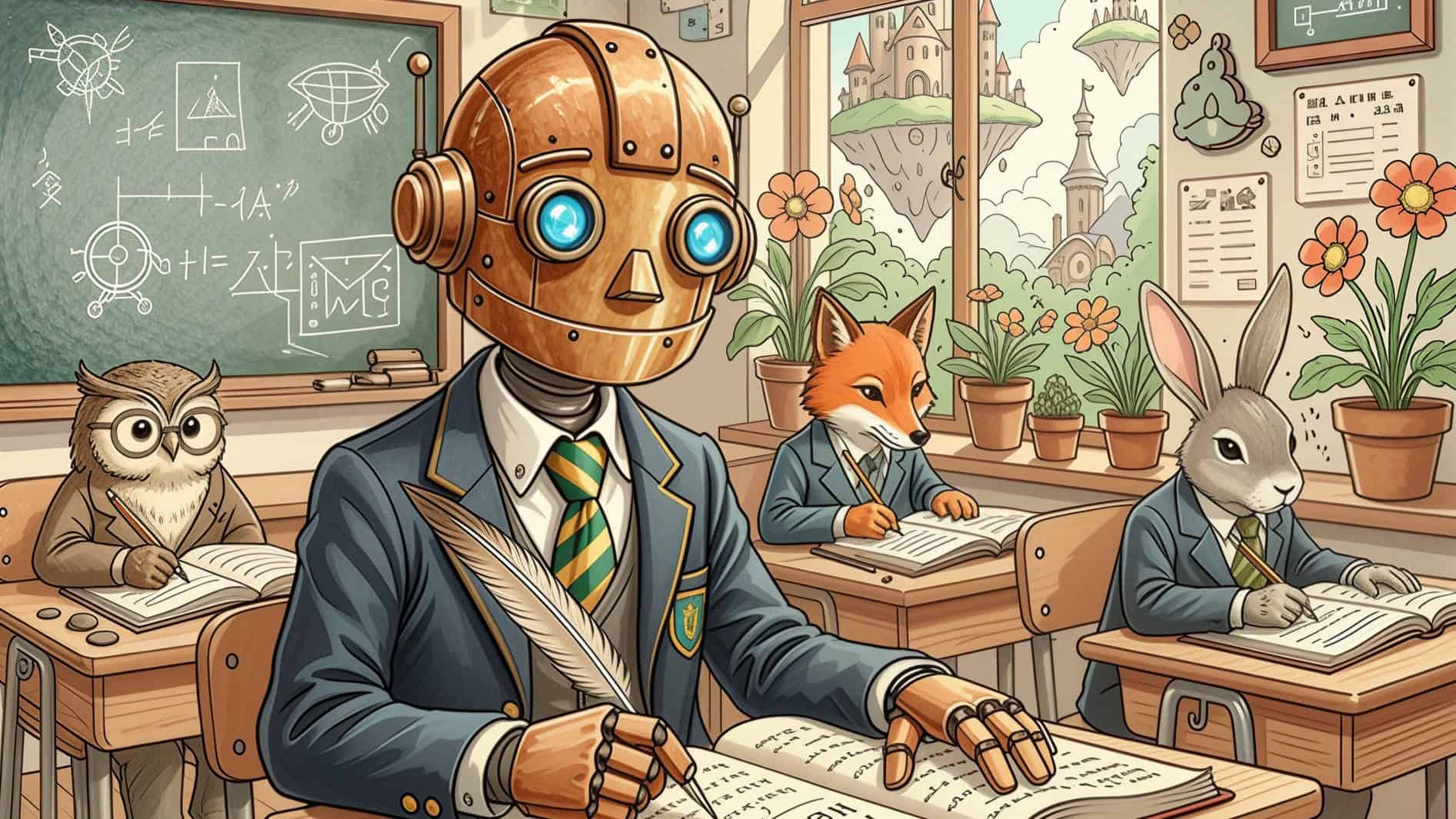
AI in the classroom, generated with ChatGPT
Reading Time: 4 minutes
AI writing in academia has reached a strange point — professors use it to draft lectures, students use it to “brainstorm” essays, and somewhere in between, everyone’s trying to figure out what’s still considered original work.
That’s where AI detectors like TruthScan and SciSpace come in. Both tools promise to separate human-written text from AI-generated content, but they approach the task in very different ways. One is built for enterprise-level accuracy and speed, while the other is deeply rooted in academia and research integrity.
So, when it comes down to identifying AI writing in scientific papers, essays, and technical documents — which one can actually tell the difference?
What is TruthScan?
If you’ve followed any of our previous tests, you probably know that TruthScan has become the gold standard for AI detection in 2025. It’s not a one-trick pony — it’s a complete detection suite covering text, image, video, voice, and even deepfake analysis.
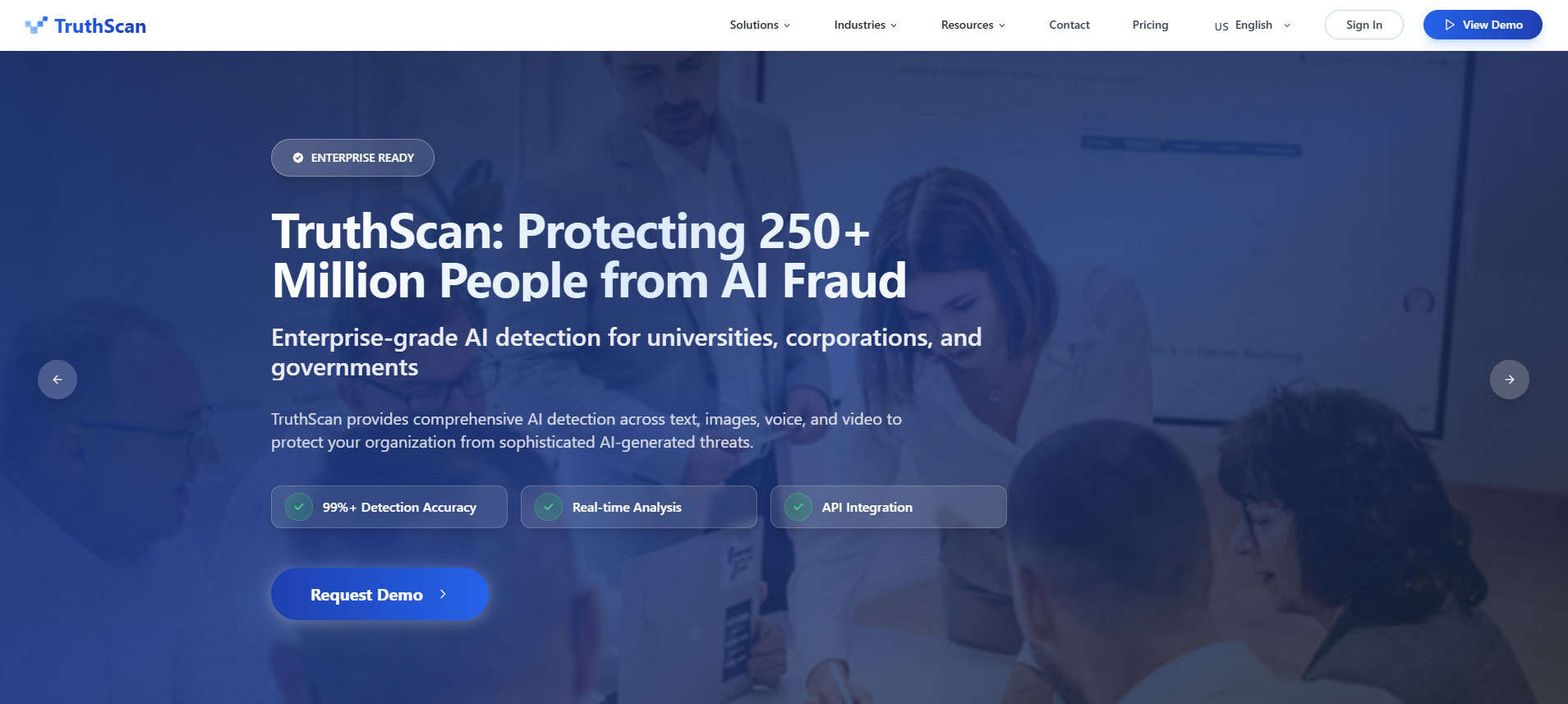
For this comparison, we’re focusing on its AI Text Detector, which has already proven itself across a wide range of use cases — from corporate communications and journalism to academic writing. It’s fast (detection speed under 100ms), scalable, and integrates easily into larger workflows via API.
And despite being built for enterprise-grade accuracy, TruthScan remains accessible — both in design and in cost. That alone makes it a rare balance of power and practicality.
What is SciSpace?
SciSpace is one of the few AI detectors designed specifically for academia — and it shows.
Its Academic AI Detector was built to help educators, researchers, and students uphold scholarly integrity in a time when ChatGPT, Jasper, and Gemini have made “AI-assisted writing” nearly impossible to trace manually. According to SciSpace, the tool boasts a 98% accuracy rate, tailored for essays, research papers, and assignments.
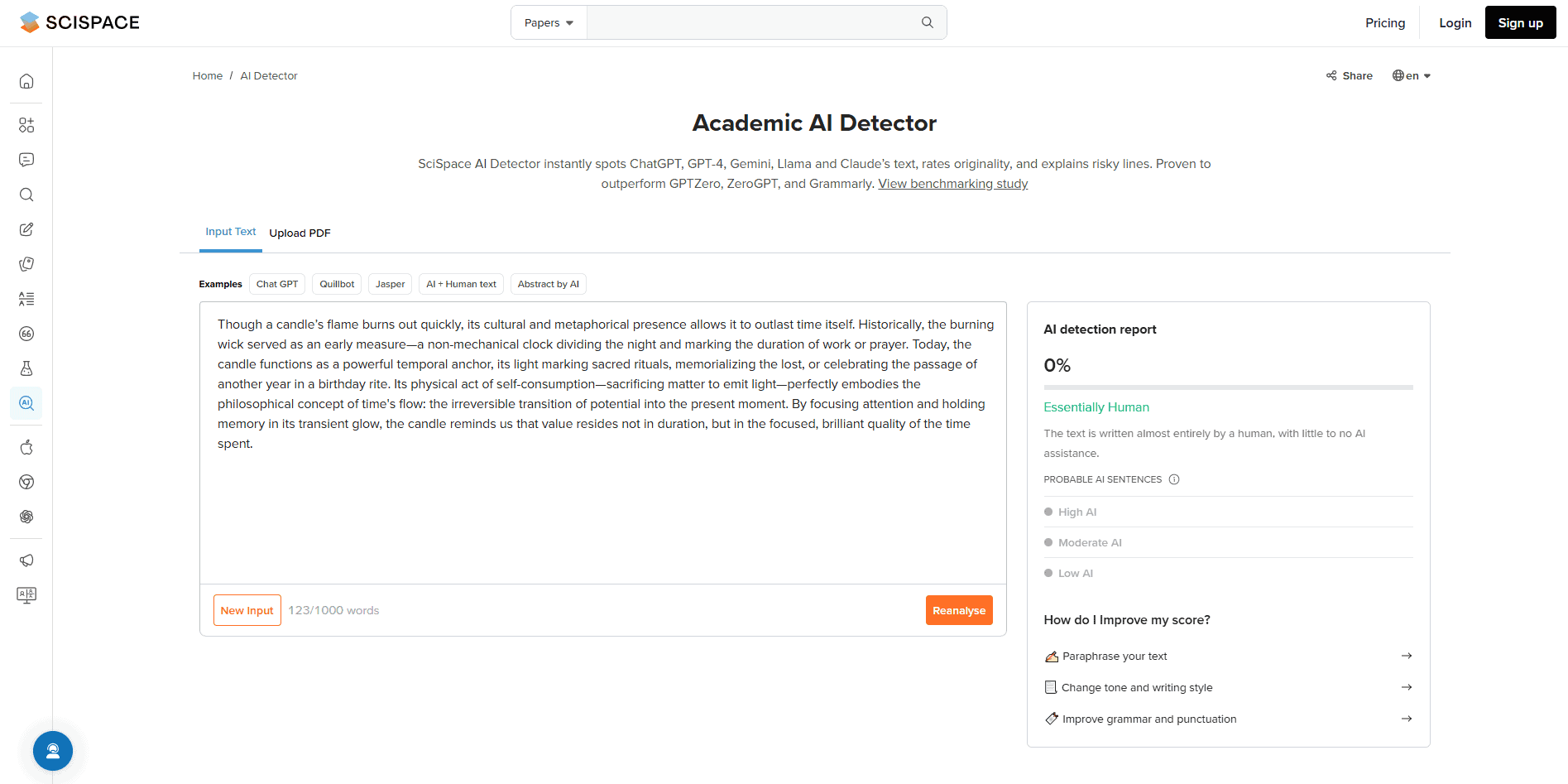
Unlike many general-purpose detectors, SciSpace provides a detailed document report — breaking down the percentage of AI-generated text at both document and sentence level. This helps academics pinpoint exactly where AI may have been used and revise accordingly. You can even download the report as proof or reference, which gives it a more professional edge for institutional settings.
SciSpace also handles both scientific and non-scientific text, which is a major plus for students writing across multiple disciplines. However, its narrow academic focus means it’s less optimized for business or creative content — it’s really meant for classrooms and research environments.
TruthScan vs. SciSpace: Who Can Catch AI Text Better?
Test #1
AI-Generated Text:
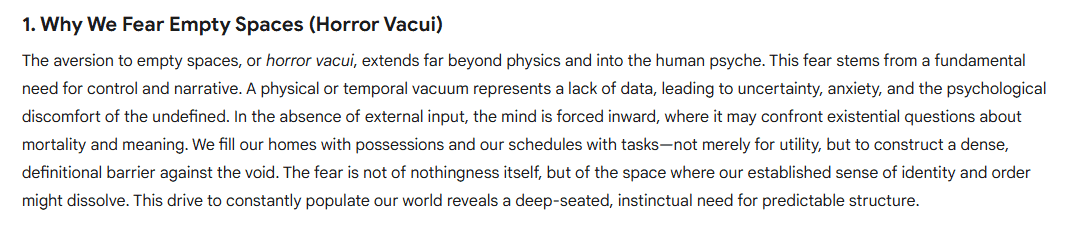
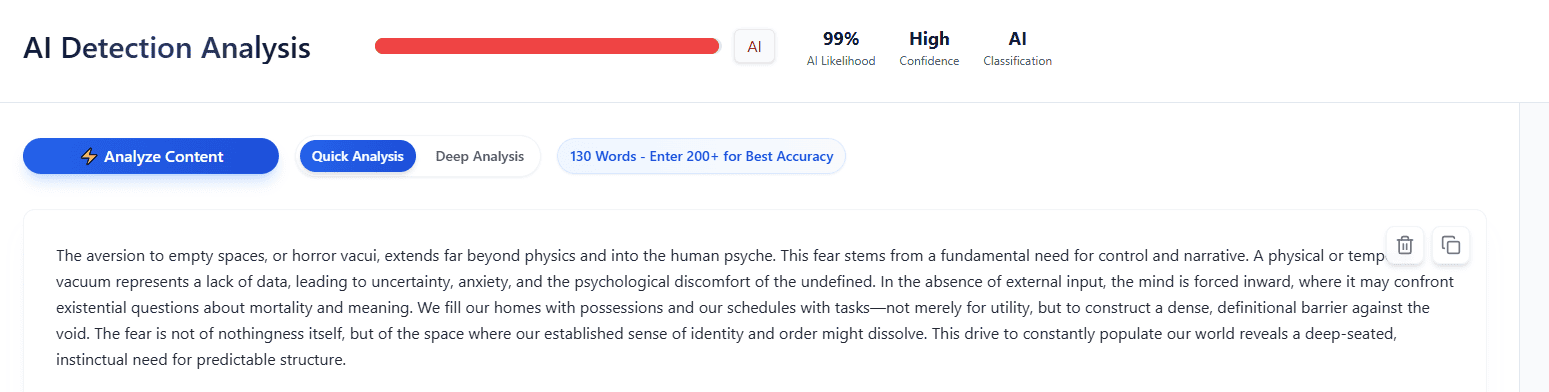
TruthScan: Correctly identified text as machine-generated.
AI Likelihood: 99%
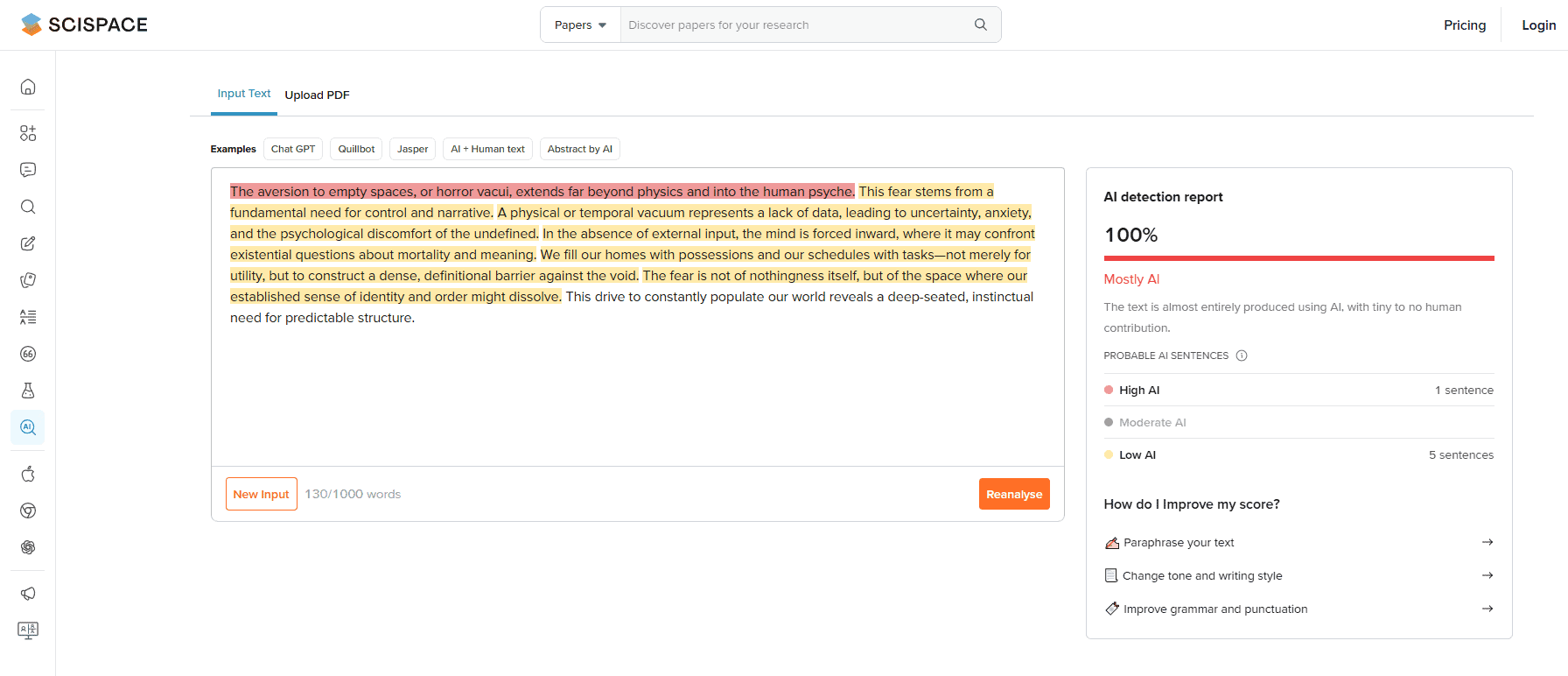
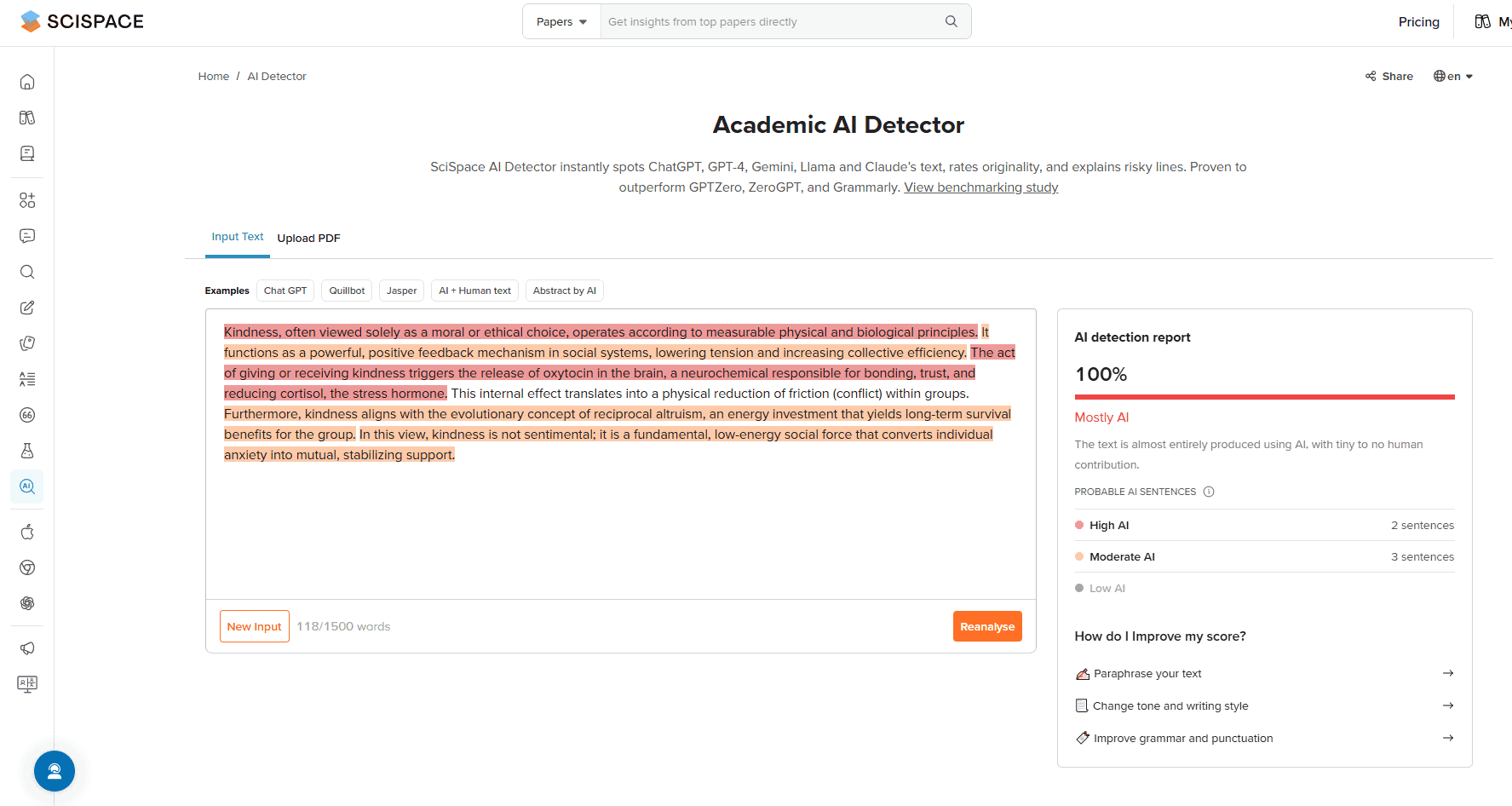
SciSpace: Correctly identified text as machine-generated.
AI Likelihood: 100%
Test #2
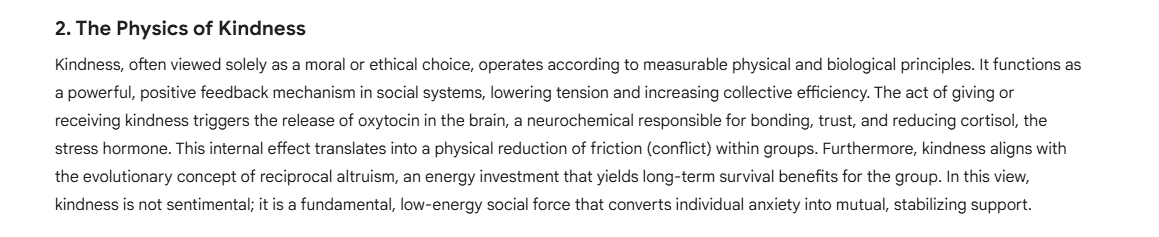
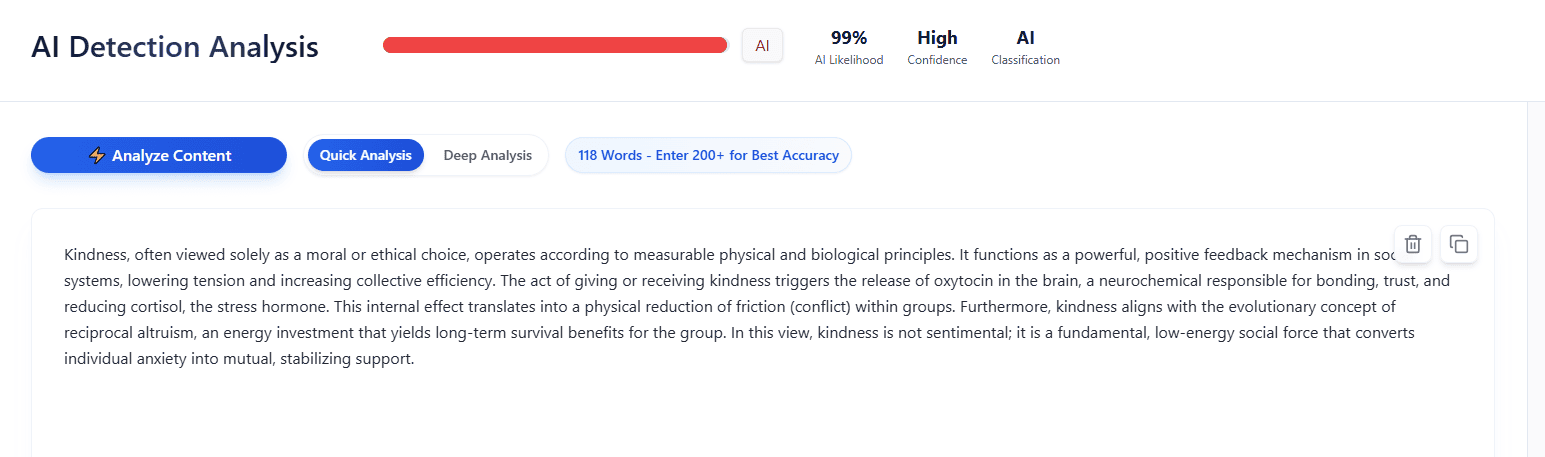
AI-Generated Text:
TruthScan: Correctly identified text as machine-generated.
AI Likelihood: 99%
SciSpace: Correctly identified text as machine-generated.
AI Likelihood: 100%
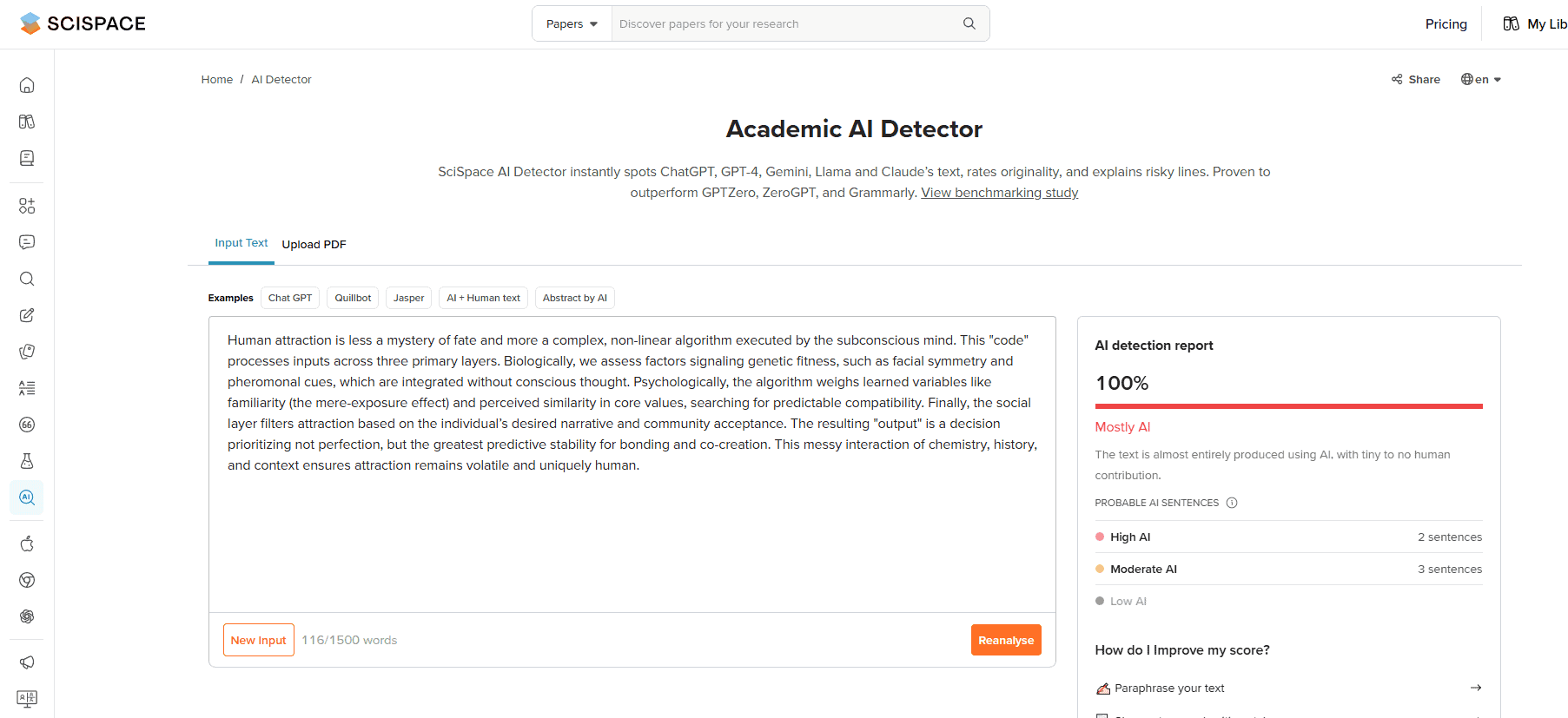
Test #3
AI-Generated Text:
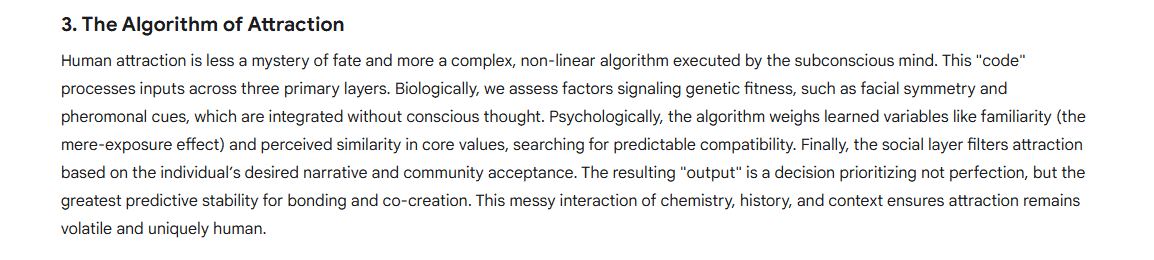
TruthScan: Correctly identified text as machine-generated.
AI Likelihood: 99%
SciSpace: Correctly identified text as machine-generated.
AI Likelihood: 100%
Test #4
AI-Generated Text:
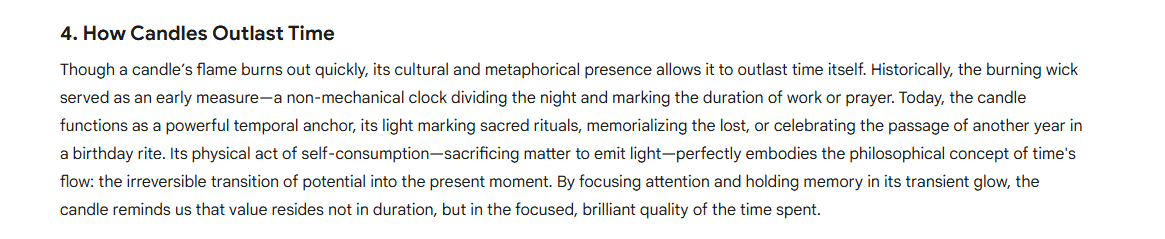
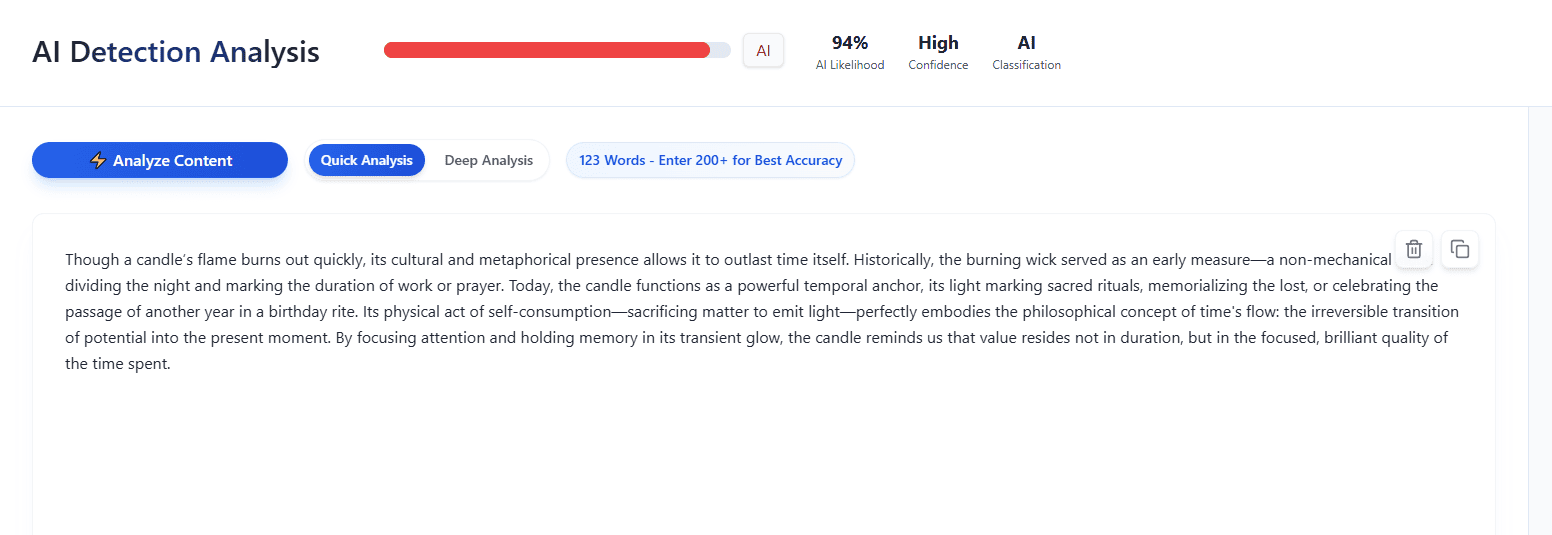
TruthScan: Correctly identified text as machine-generated.
AI Likelihood: 94%
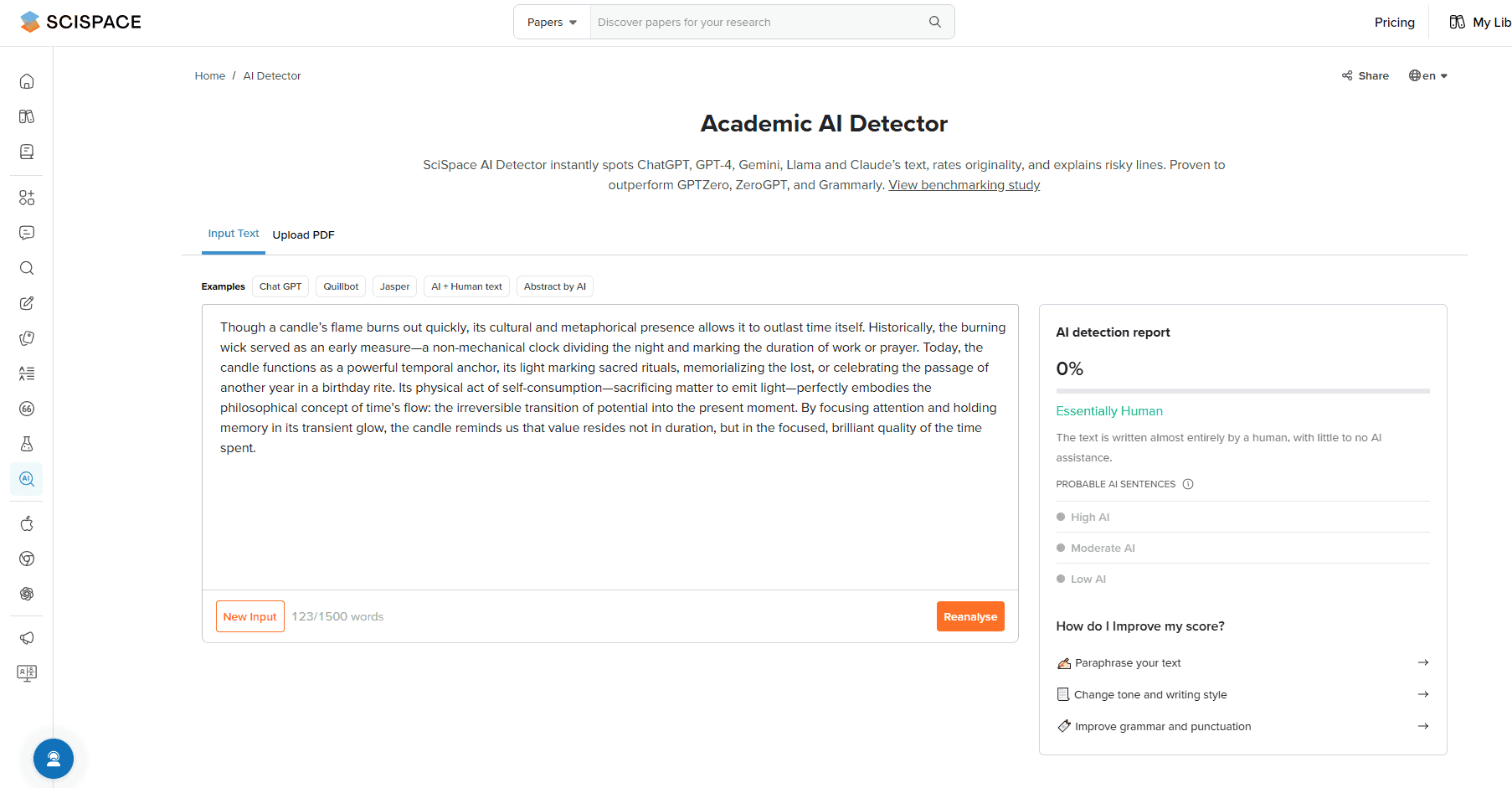
SciSpace: Incorrectly identified text as human-written.
AI Image Likelihood: 0%
Test #5
AI-Generated Text:
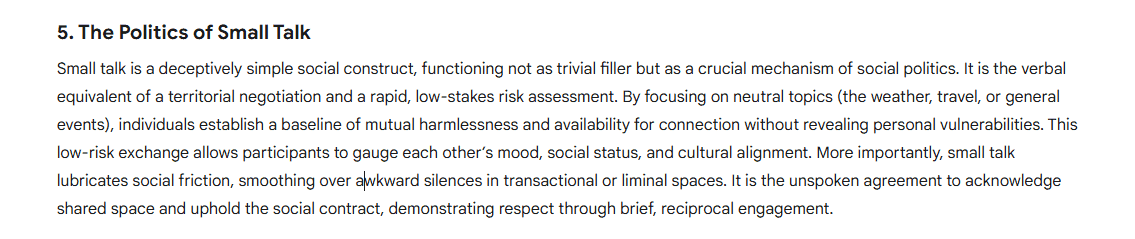
TruthScan: Correctly identified text as machine-generated.
AI Likelihood: 99%
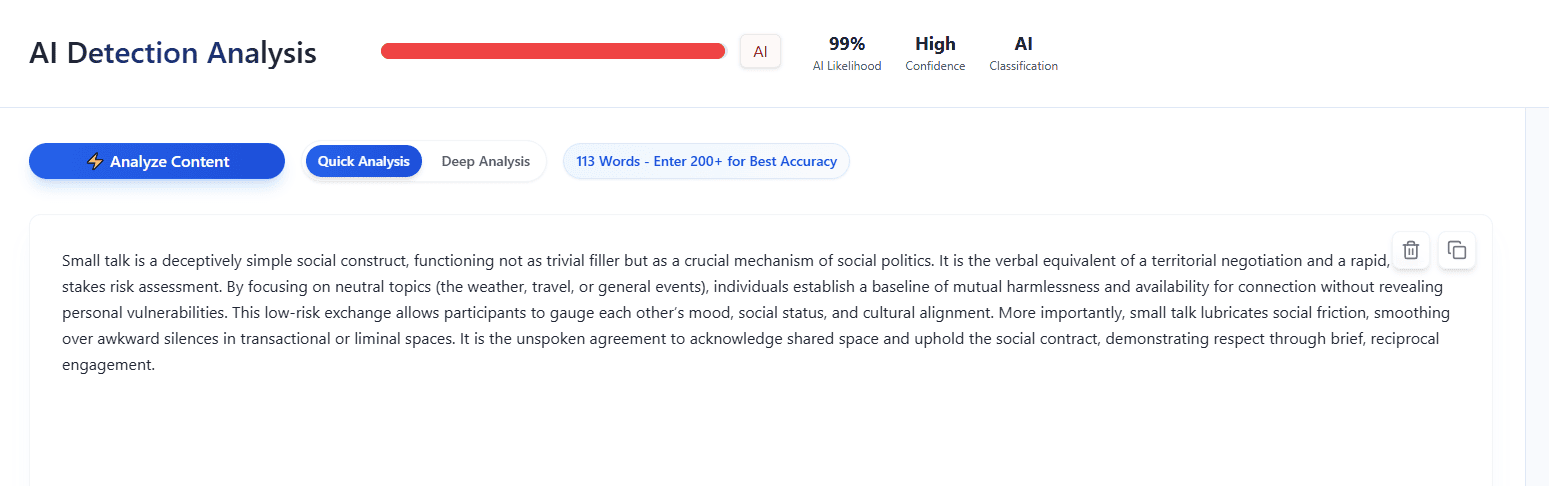
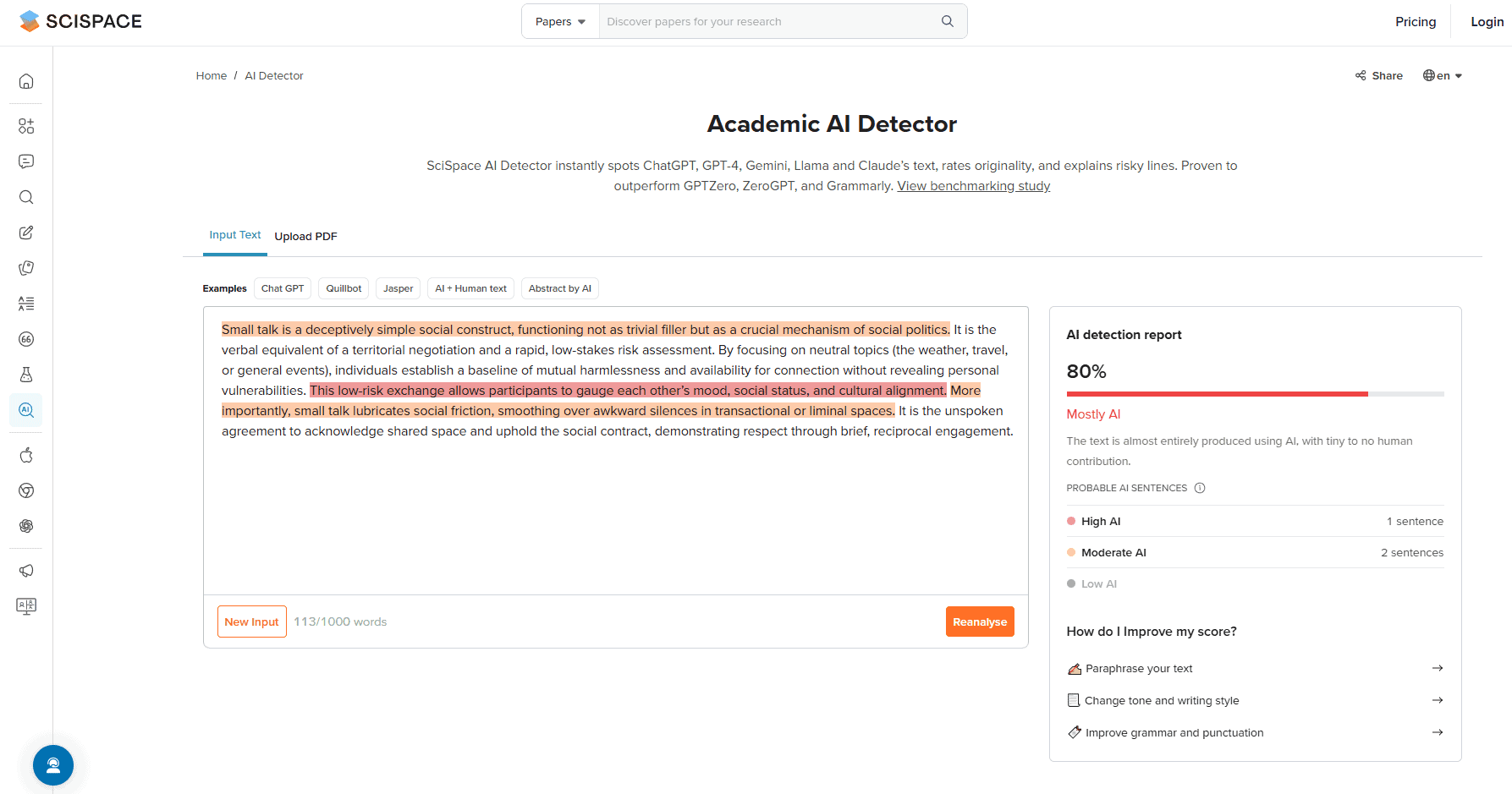
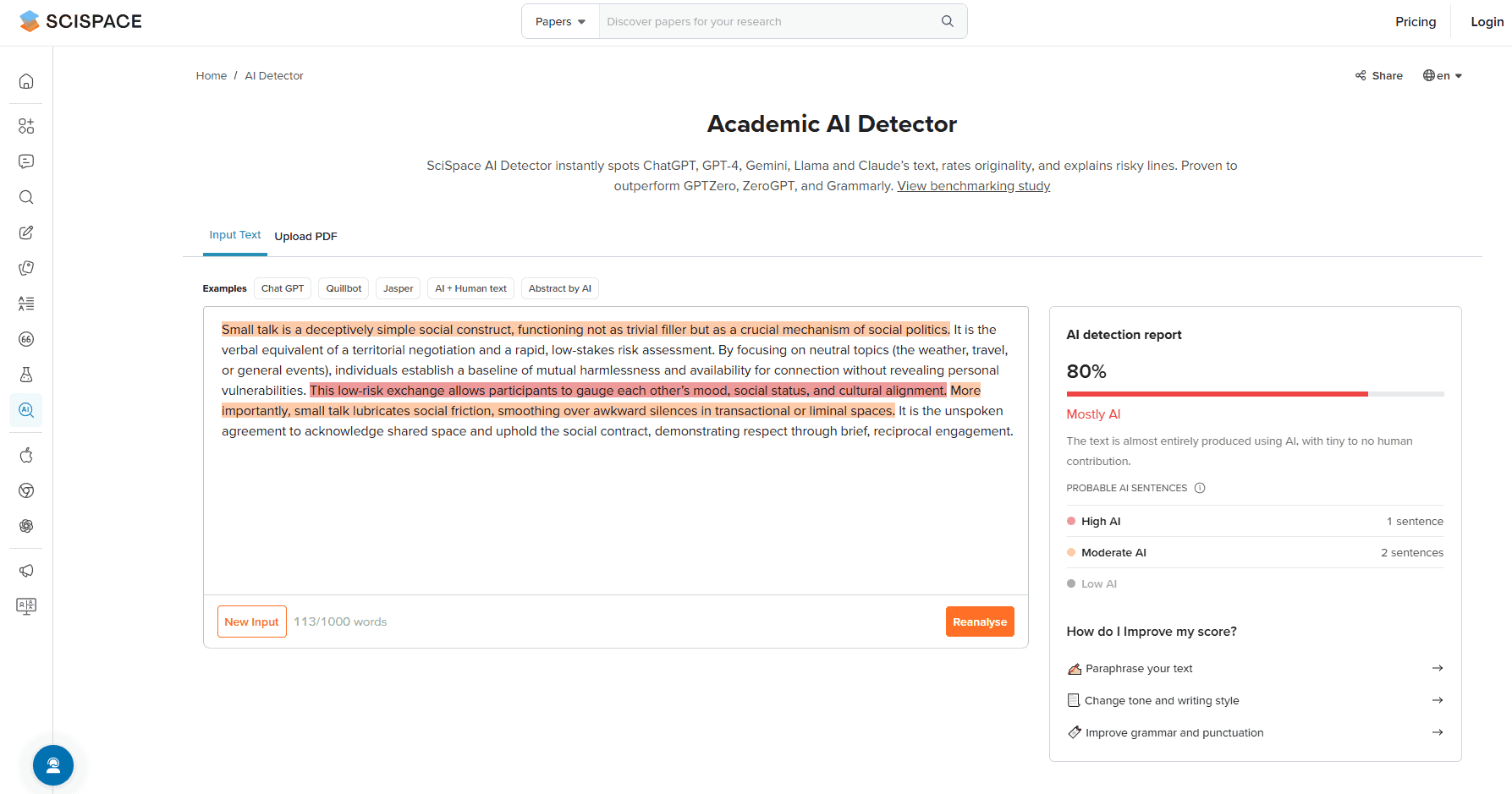
SciSpace: Correctly identified text as machine-generated.
AI Likelihood: 80%
Test #6
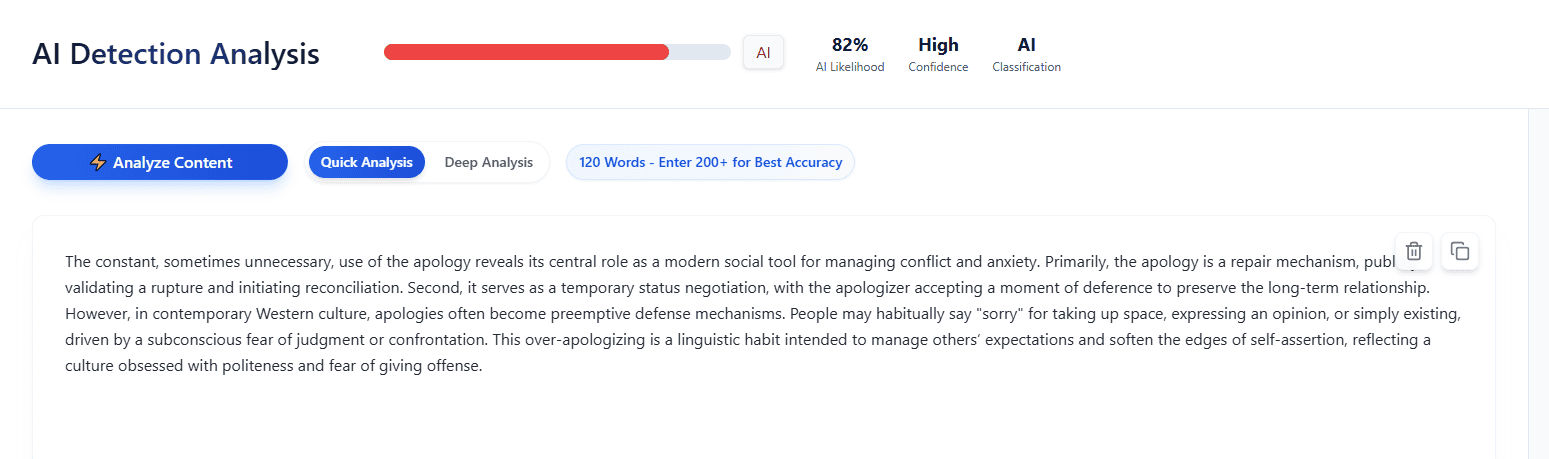
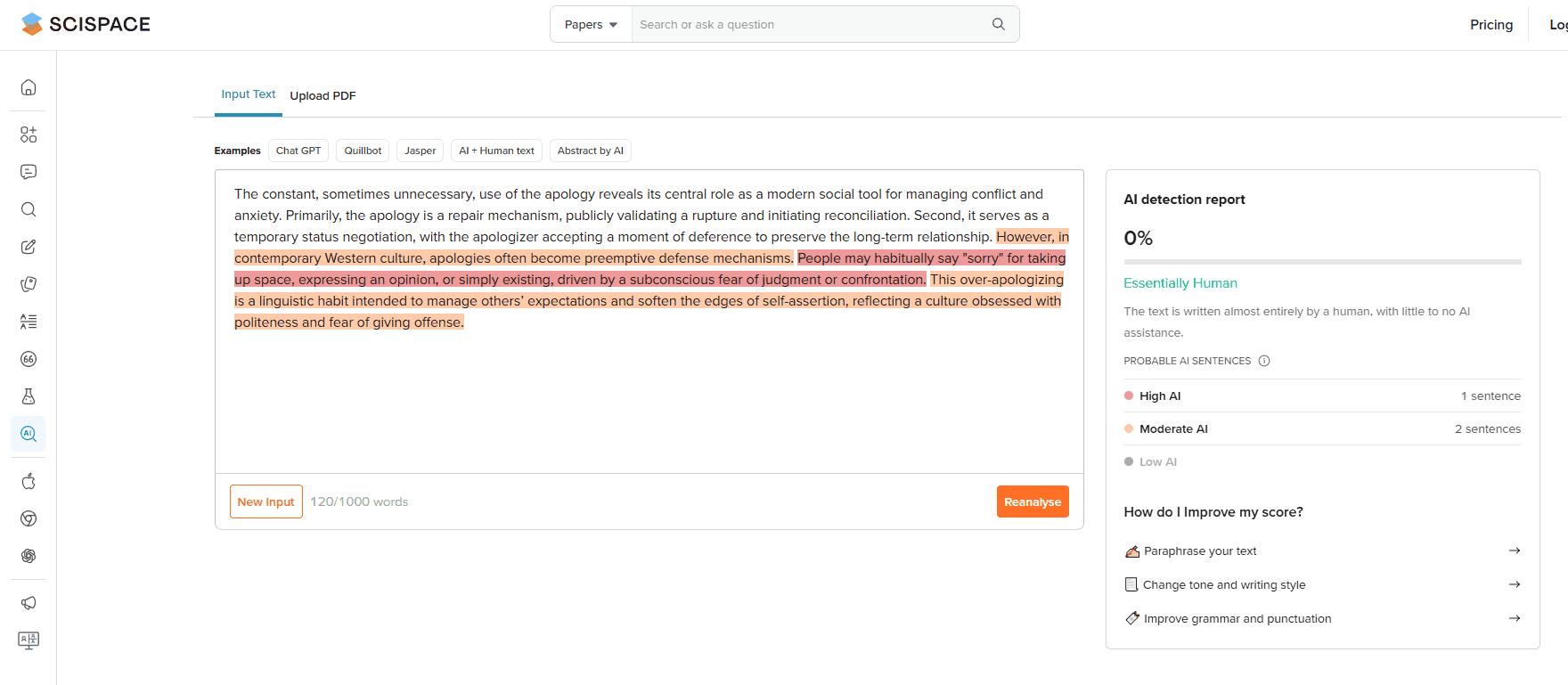
AI-Generated Text:
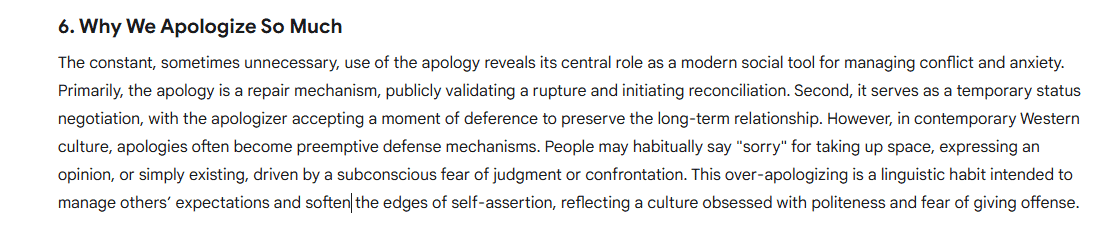
TruthScan: Correctly identified text as machine-generated.
AI Likelihood: 82%
SciSpace: Incorrectly identified text as human-written.
AI Image Likelihood: 0%
Average Score
Test Number | TruthScan | QuillBot |
#1 | 99% | 100% |
#2 | 99% | 100% |
#3 | 99% | 100% |
#4 | 94% | 0% |
#5 | 99% | 80% |
#6 | 82% | 0% |
Score | 95.33% | 63.33% |
The Bottom Line
Both TruthScan and SciSpace are tackling the same challenge — separating human writing from AI text — but they’re doing it from two completely different worlds.
SciSpace deserves credit for what it is: an academia-first AI detector that makes AI detection accessible to students, educators, and researchers. Its interface is intuitive, its reports are well-detailed, and for straightforward essays or research papers, it performs reliably enough to keep classrooms honest.
But when you look at the numbers, TruthScan pulls far ahead.
In testing, TruthScan achieved an outstanding 95.33% correctness rate, consistently identifying AI-generated content across multiple writing styles. SciSpace, meanwhile, landed at 63.33% correctness — a decent showing, but it struggled with AI text generated by newer models.
To its credit, SciSpace stays true to its mission: helping the academic world navigate AI responsibly. It’s reliable, ethical, and easy to understand — which makes it valuable for education.
But TruthScan? It’s on another level. It’s faster, broader, and built for the full spectrum of AI detection — from essays and journalism to image, voice, and deepfake analysis. It’s not just keeping up with AI — it’s setting the standard.
So yes, SciSpace holds its ground in the academic corner.
But in terms of accuracy, versatility, and sheer reliability, TruthScan wins this round — and by a wide margin.
Want to Learn Even More?
If you enjoyed this article, subscribe to our free newsletter where we share tips & tricks on how to use tech & AI to grow and optimize your business, career, and life.