Which Tool Wins for Deliverability at Scale in 2026: Instantly vs. Lemlist
We put Instantly and Lemlist head to head across every metric that matters for cold email at scale. Spoiler: the gap in deliverability infrastructure and pricing is bigger than most people expect.

Mark Gotauco
Updated July 28, 2026

Reading Time: 8 minutes
Sending cold emails is a pivotal part of the sales process for businesses across the world.
If you've landed here, you're probably already familiar with both Instantly and Lemlist and want to know which one actually holds up when you're sending at serious volume.
Instantly was built by Nils Schneider and Raul Kaevand in 2021, two agency operators who got tired of paying per email account on tools that weren't built for scale.
Lemlist was founded by Guillaume Moubeche in 2018, also born from frustrations with existing tools, but built toward a different vision, "multi-channel outreach".
We've used both for our agency over the last 2.5 years. We dropped Lemlist mainly because of price.
Instantly.ai had everything we needed at a fraction of the cost, and we never looked back.
That said, we have over a year of hands-on experience with Lemlist for clients too, so this isn't a one-sided take.
How Does Instantly Work
Instantly helps you personalize cold email campaigns and automatically send them to your prospects. Connecting your Google Workspace, Microsoft/O365, or Zoho mail accounts is quick and straightforward, and setup takes almost no time.
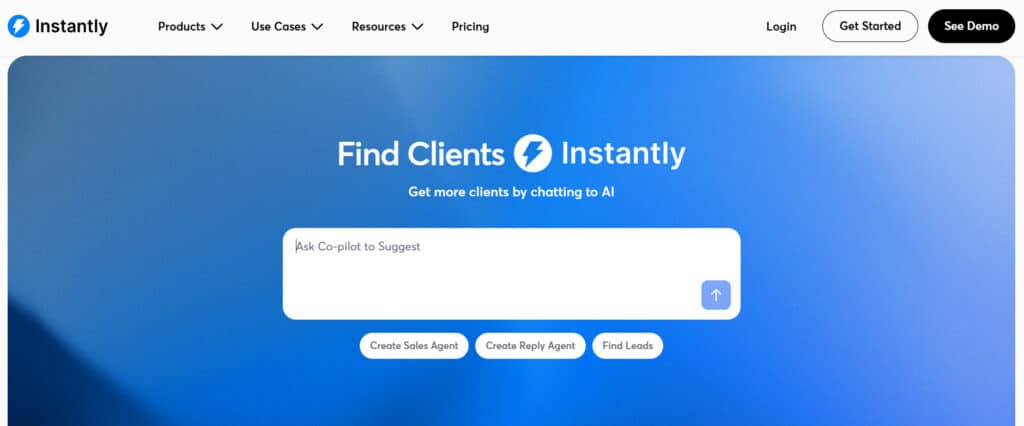
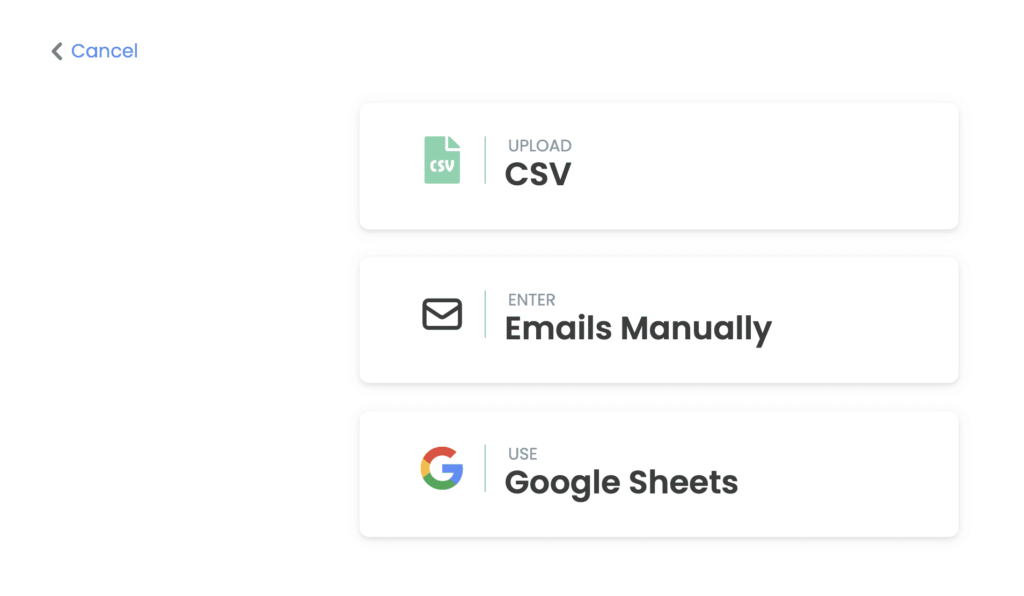
You can import leads three ways: manually, via CSV, or through Google Sheets. After launching your campaigns, you monitor performance through a real-time analytics dashboard that shows send rates, open rates, and reply rates in a clean, easy-to-read interface.
Not getting responses? Instantly makes it easy to build follow-up sequences.
It also supports A/Z testing at no extra charge, meaning you can create an unlimited number of email variants per campaign. No ceiling on how much you can test.
How Does Lemlist Work
Lemlist works similarly to Instantly but is built with a stronger emphasis on personalization and multi-channel outreach. Beyond cold email, it supports LinkedIn, WhatsApp, and call steps, all within a single campaign sequence.
You can add custom text, images, and videos to your cold emails. Connecting your email provider works the same way as Instantly.
Lemlist also helps you control sending speed and daily volume to protect your sender reputation, and it partners with Bouncer, Debounce, and Zerobounce for email verification.
Lemlist also includes Lemwarm, their built-in email warm-up tool, along with a wide range of CRM integrations and a LinkedIn Chrome Extension for lead importing directly from LinkedIn.
Instantly vs. Lemlist Feature Comparison
Both tools can send personalized cold emails, automate follow-ups, support unlimited sending accounts, and give you detailed campaign reporting. Here is where things start to diverge.
Deliverability Architecture
This is the most important category for anyone sending at scale, and it's where the two tools differ most.
Instantly uses SISR (Sender Identity Segregation and Rotation) combined with LightSpeed IP blocks to isolate risk across rotating IP pools when you're pushing high volume.
Their private warm-up network sits at 4.2 million accounts, and inbox placement tests let you monitor blacklist exposure and spam folder risk in real time.
Independent agency tests, including our own, have seen deliverability climbing from around 68% to 89% after two to three months of warm-up and rotation. That's a meaningful jump.
Lemlist takes a different approach. Lemwarm handles the warm-up side and gives you deliverability best-practice guidance, but their warm-up network is around 20,000 accounts.
The IP isolation detail is limited compared to Instantly, and several users have reported deliverability drops after two to three months even with warm-up running. Most point to insufficient domain and IP rotation as the reason.
Lemlist leans on warm-up best practices and behavioral guidance. For smaller sends, that difference is manageable. At real volume, it isn't.
Winner: Instantly
Lead Importation
Both Instantly and Lemlist let you import leads manually, by CSV, or via Google Sheets. Lemlist adds direct importing from Pipedrive and a LinkedIn Chrome Extension, which is genuinely useful for prospecting workflows.
Instantly supports Zapier, which covers a lot of integration ground, but the native options are more limited for now.
Winner: Lemlist
Email Verification
Instantly uses BulkEmailChecker or MillionVerifier. Lemlist works with Bouncer, Debounce, or Zerobounce. Both approaches get the job done when it comes to reducing bounce rates and protecting your sender reputation. The branding differs but the outcome is essentially the same.
Winner: Tie
Split Testing
Instantly supports A/Z testing, meaning you can run unlimited variants per campaign. Lemlist caps you at A/B testing, so two variants at a time.
That said, Lemlist's dynamic templates with custom images and personalization variables can make those two variants significantly more differentiated than a standard text swap. It depends on whether you value breadth of testing or depth of creative execution.

Winner: Lemlist
Sending Limits
Both tools let you set daily sending limits at the account level and per campaign, and both let you configure time gaps between sends to make outreach look more natural. No meaningful difference here.
Winner: Tie
Third-Party Integrations
Lemlist has more native integrations, especially for multi-channel workflows. The LinkedIn Chrome Extension stands out as the most useful.
Instantly covers a lot through Zapier, but native integration depth is still an area where Lemlist has the edge. If Instantly ever expands their integration library, this category becomes much closer.
Winner: Lemlist
Campaign Analytics
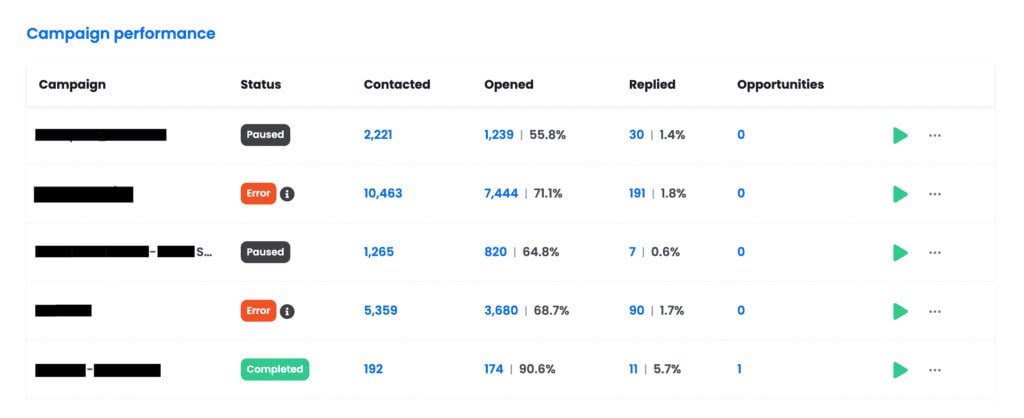
Instantly's analytics dashboard is one of its best features. You get a clear view of emails sent, open rates, and reply rates across your entire account and broken down per campaign.
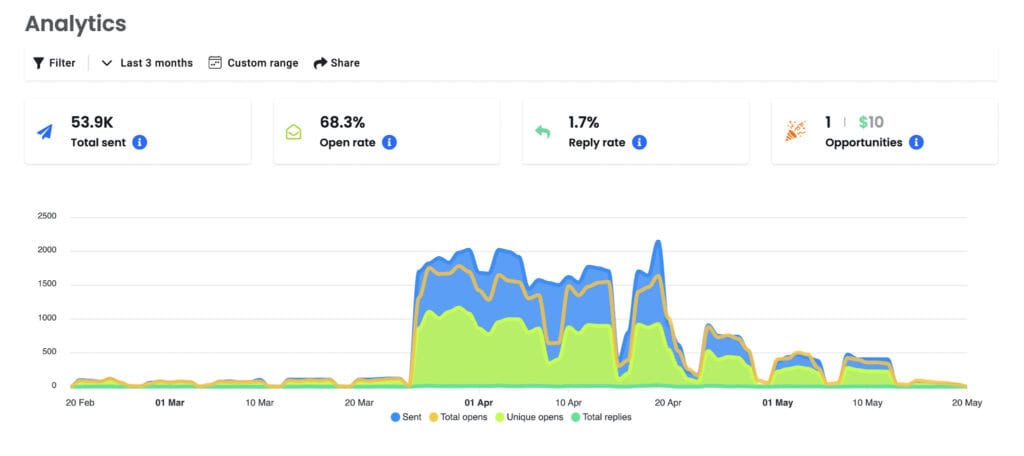
You can also tag emails to track opportunity value, which is a nice touch for teams managing pipeline alongside outreach.
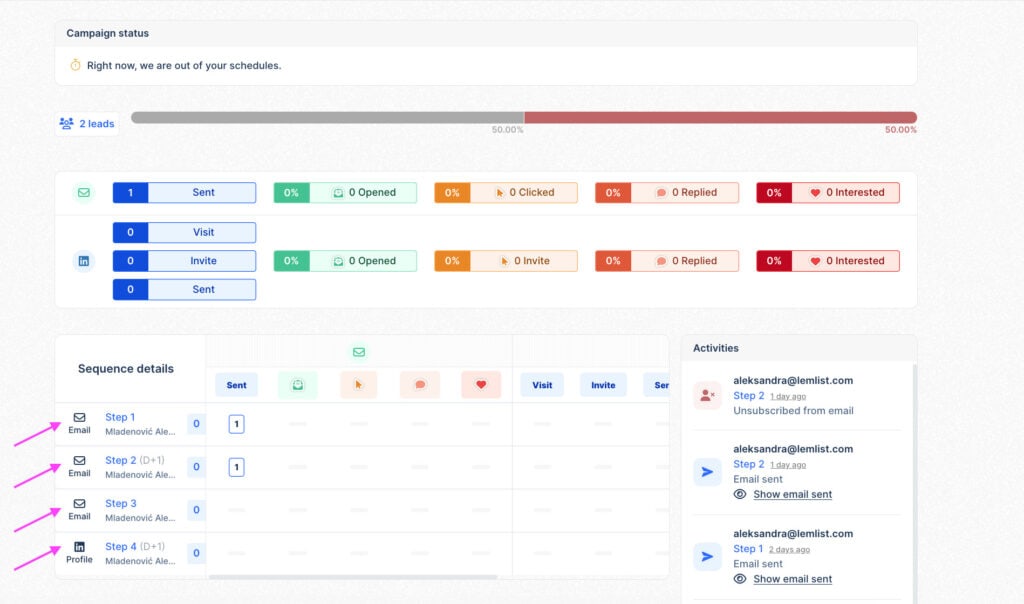
Lemlist shows a progression bar for campaign steps and tracks A/B performance history, but the interface is busier and harder to read at a glance. It is not a dealbreaker, but Instantly's dashboard is noticeably cleaner and more intuitive.
Winner: Instantly
Email Warm-up
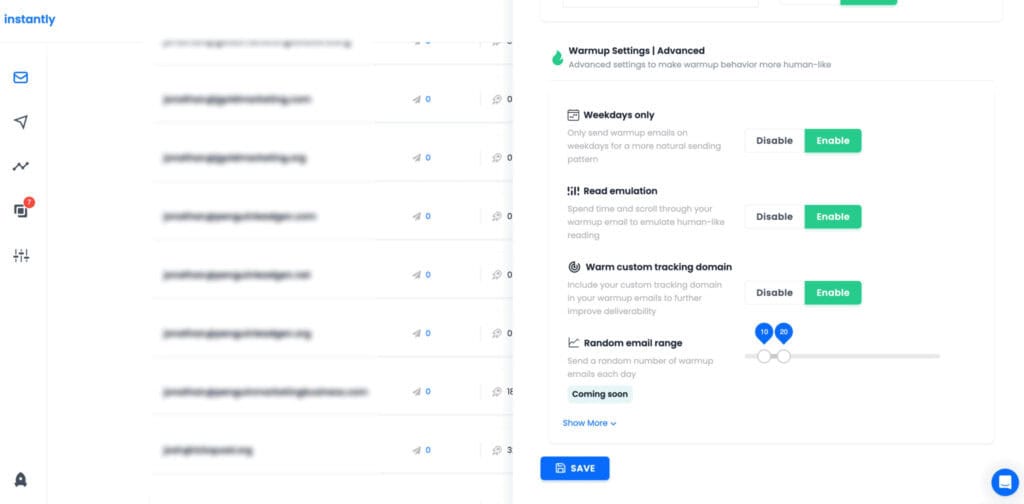
Lemwarm is one of Lemlist's strongest features. It gradually increases your sending volume to build deliverability and includes a Smart Cluster option that sends automated, personalized warm-up emails based on your goals and audience.
Instantly's built-in warm-up tool gives you more granular control over the warm-up process and sits on top of a 4.2 million account network versus Lemlist's 20,000. At scale, that network size matters.
Winner: Instantly
Free Trial Comparison
Instantly offers a 14-day free trial with no credit card required. You get up to 2 sending accounts, 250 leads, and 1,000 emails, plus access to all Growth Plan features.
Lemlist also offers a 14-day free trial without a credit card. You can test multichannel campaigns, the LinkedIn Chrome Extension, CRM integrations, and A/B testing, but you are capped at 50 emails per day with limited LinkedIn actions and no access to Lemwarm.
If you are genuinely on the fence, try both. There is no cost to do it and this decision will affect your entire outbound operation.
Winner: Instantly
Pricing Comparison
This is where the gap between the two tools becomes very hard to ignore.
This is where the gap becomes hard to ignore.
Instantly runs on volume-based pricing with unlimited seats on all paid plans. No per-seat fees, ever.
- Growth: $47/month ($37.60 billed annually), 5,000 emails, 1,000 contacts
- Hypergrowth: $97/month ($77.60 billed annually), 100,000 emails, 25,000 contacts
- LightSpeed: $358/month ($286.30 billed annually), 500,000+ emails, 100,000+ contacts
Lemlist charges per user, and that adds up fast as your team grows.
- Email Pro: $69/user/month ($55 billed annually)
- Multi-Channel Expert: $99/user/month ($79 billed annually)
- Enterprise: Custom, still seat-based
To put that into perspective: a five-person SDR team on Instantly Hypergrowth pays $97 per month total.
That same team on Lemlist Email Pro pays around $275 per month. On Multi-Channel Expert, you're looking at roughly $395 per month. As your team grows, that gap compounds fast.
Winner: Instantly
So Which Tool Actually Wins for Deliverability at Scale
For most teams sending at real volume, Instantly is the stronger choice.
The deliverability infrastructure is more robust, the pricing model scales without penalty, and the analytics dashboard makes it easy to monitor what is actually happening across your campaigns.
We switched to it and we have not had a reason to look back.
Lemlist is not a bad tool.
But if you are running outbound at scale across multiple domains and need your deliverability to hold up month after month, Instantly is built for that in a way that Lemlist simply is not.
For historical context on this comparison, read our earlier Instantly vs Lemlist review.
Want to Learn Even More?
If you enjoyed this article, subscribe to our free newsletter where we share tips & tricks on how to use tech & AI to grow and optimize your business, career, and life.